Types of truffle: how to recognize and appreciate them
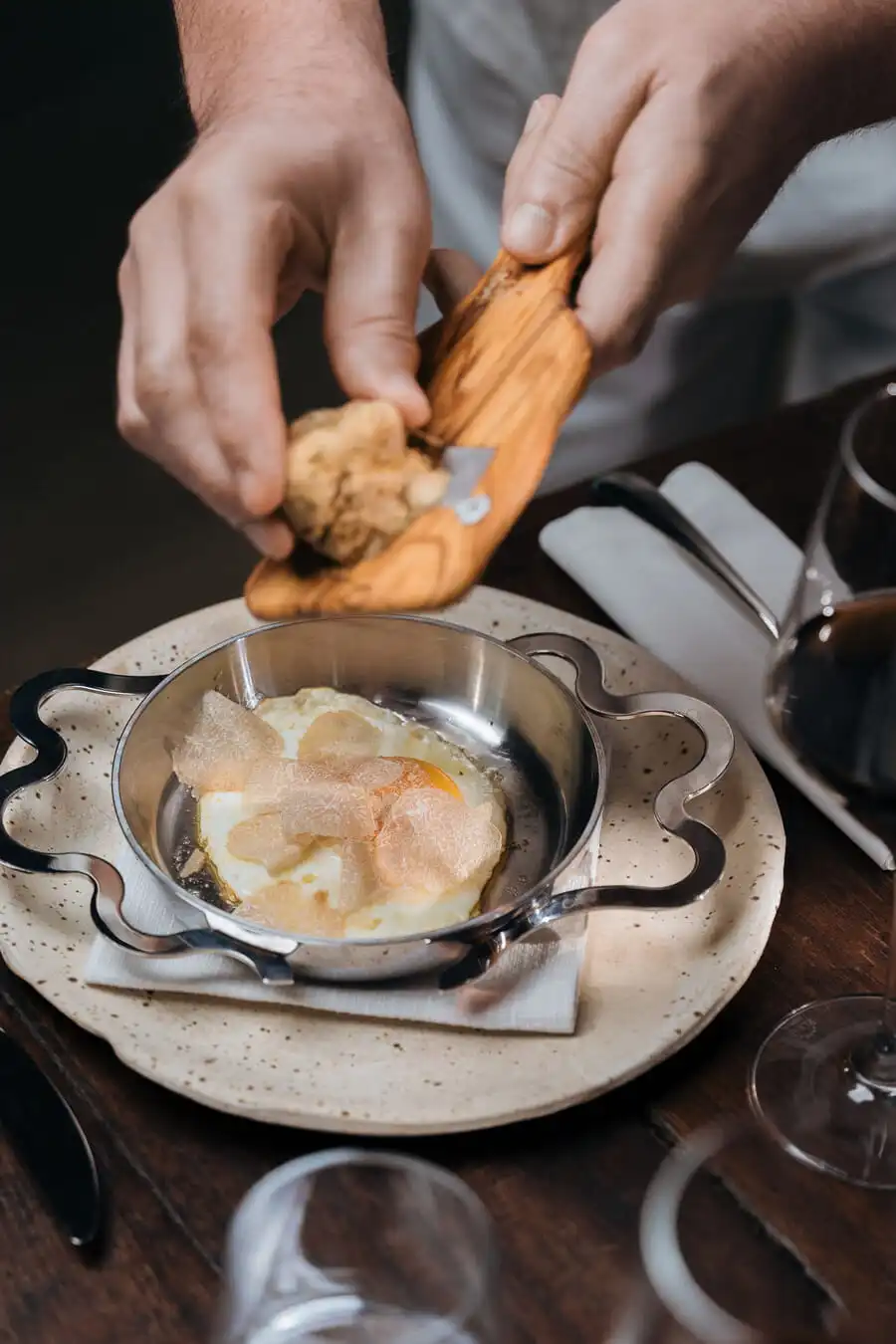
Talking about types of truffles means entering a world made up of species, seasonality, habitats, and aromatic characteristics that are very different from one another. Not all truffles are the same, not all are edible, and not all are used in the same way in the kitchen: understanding their differences is the first step to choosing well and truly appreciating their value.
Among the most prized varieties are the White Truffle of Alba, the Summer Black Truffle, and the Fine Black Truffle—three protagonists of Italian gastronomic culture. Each has its own sensory identity, a specific harvesting season, and a different way of expressing itself on the plate, from aromatic delicacy to greater versatility in cooking.

Truffle species
There are many truffle species, but only some are edible and even fewer have real gastronomic value. Classification depends on botanical and mycological factors, but for those purchasing or cooking, three elements matter most: aroma, texture, and harvest period.
The territory plays a decisive role. Soil, humidity, exposure, symbiotic trees, and climate conditions influence truffle development and the final quality of the product. This is why the Langhe region, together with the renowned areas of Roero and Monferrato, has always been a reference point for those seeking premium truffles, particularly the White Truffle of Alba.
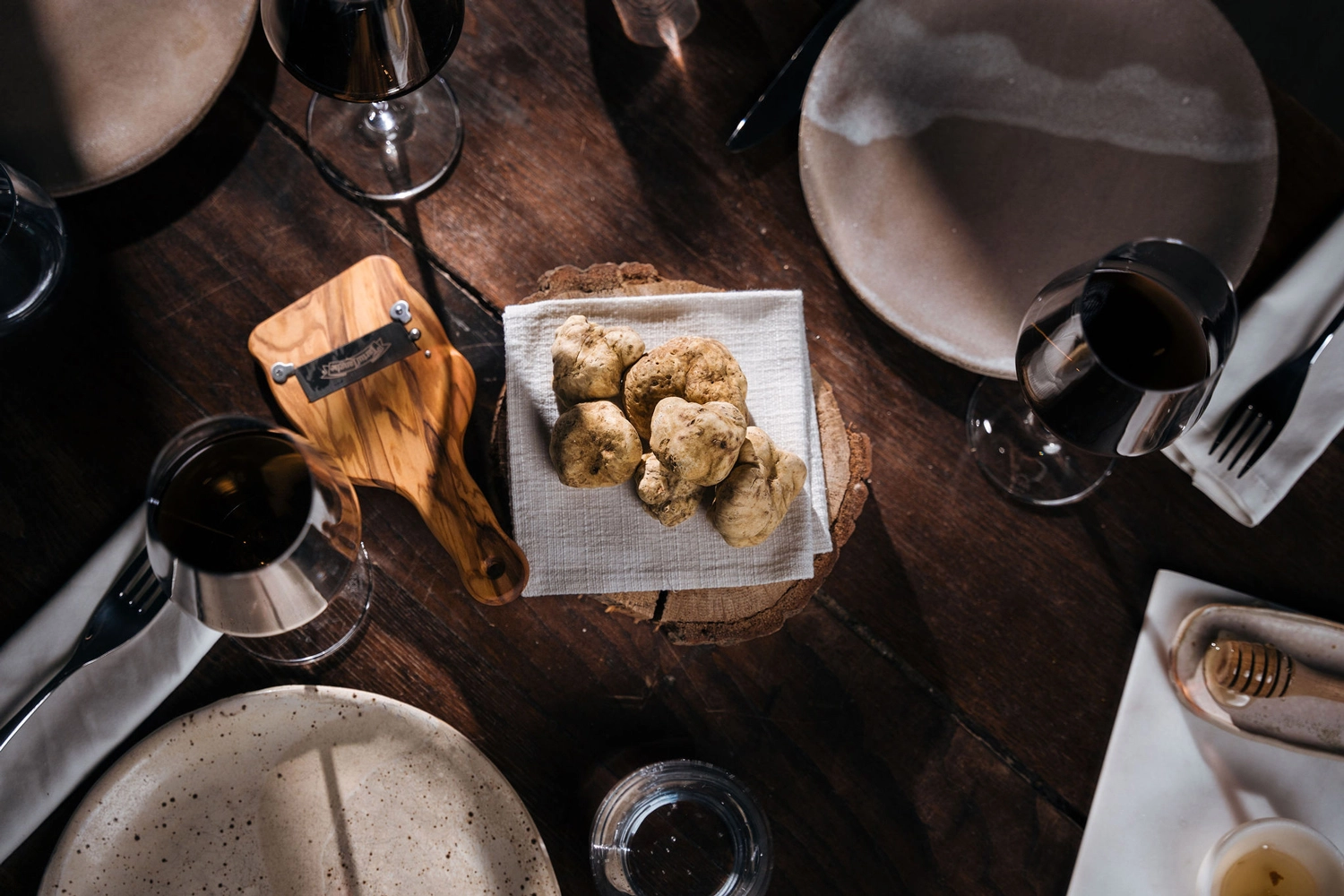
How to recognize truffles and distinguish the different edible species
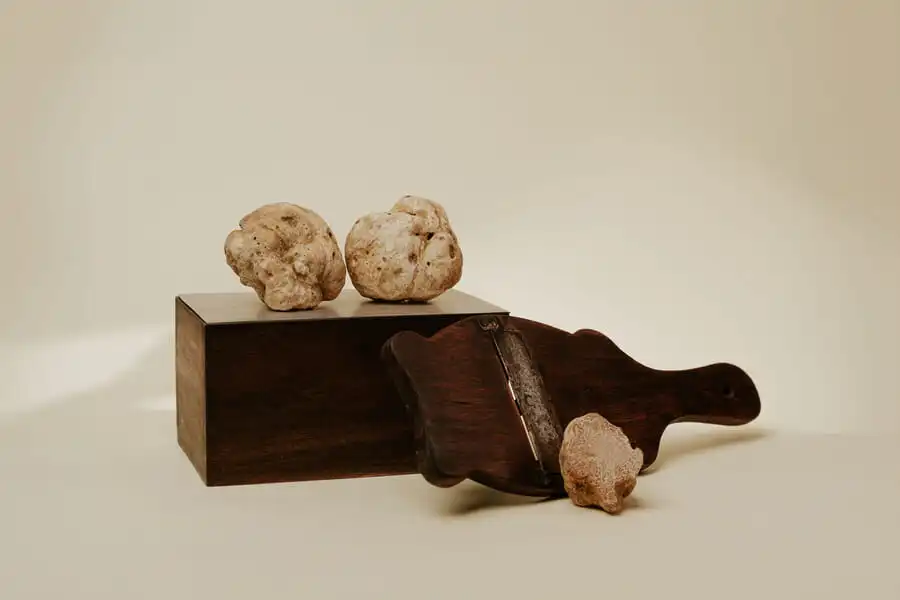
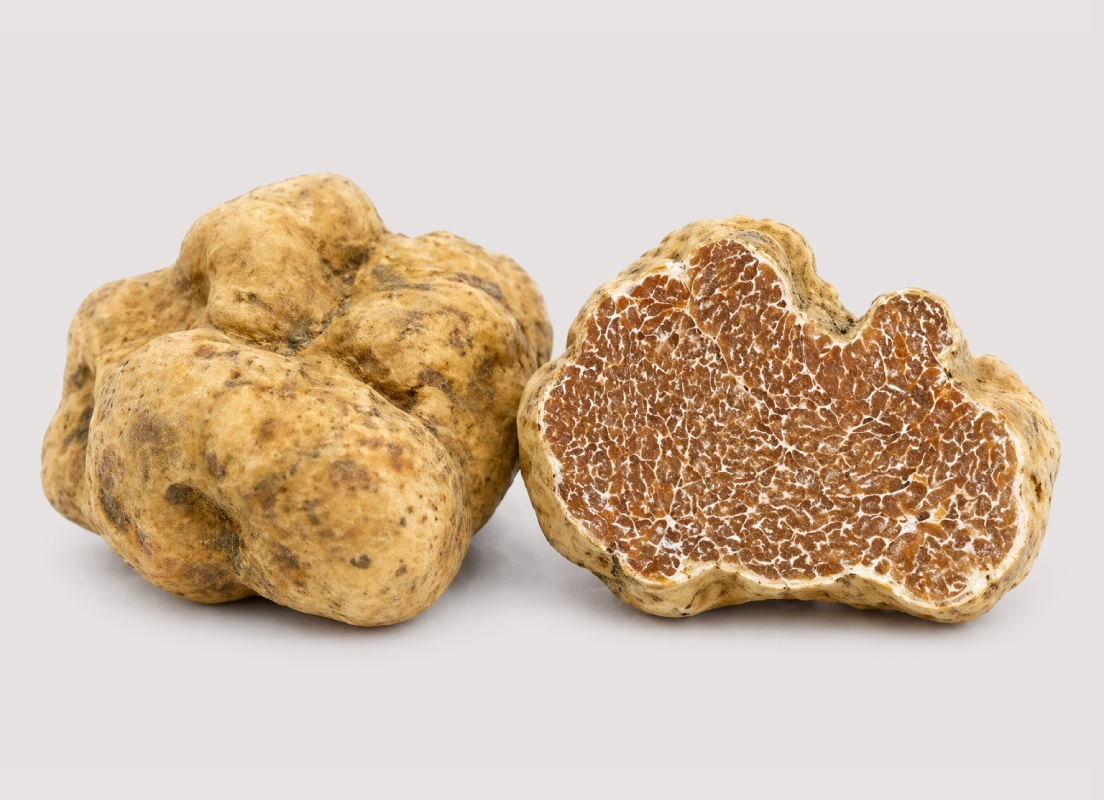
Recognizing a truffle does not mean stopping at the external color. Different species are distinguished by shape, skin, gleba tone, aroma, texture, and seasonality. The White Truffle of Alba, for example, is recognized by its intense and complex aroma and its suitability for raw use. The Summer Black Truffle has a more pronounced skin and a gentler aromatic profile, while the prized black truffle presents deeper and more elegant notes.
Origin and freshness also make a difference. A well-selected truffle must be intact, firm, clearly but not aggressively fragrant, and free from excess moisture. This is why relying on those who oversee the supply chain, selection, and cataloging of the product is essential for purchasing with confidence.
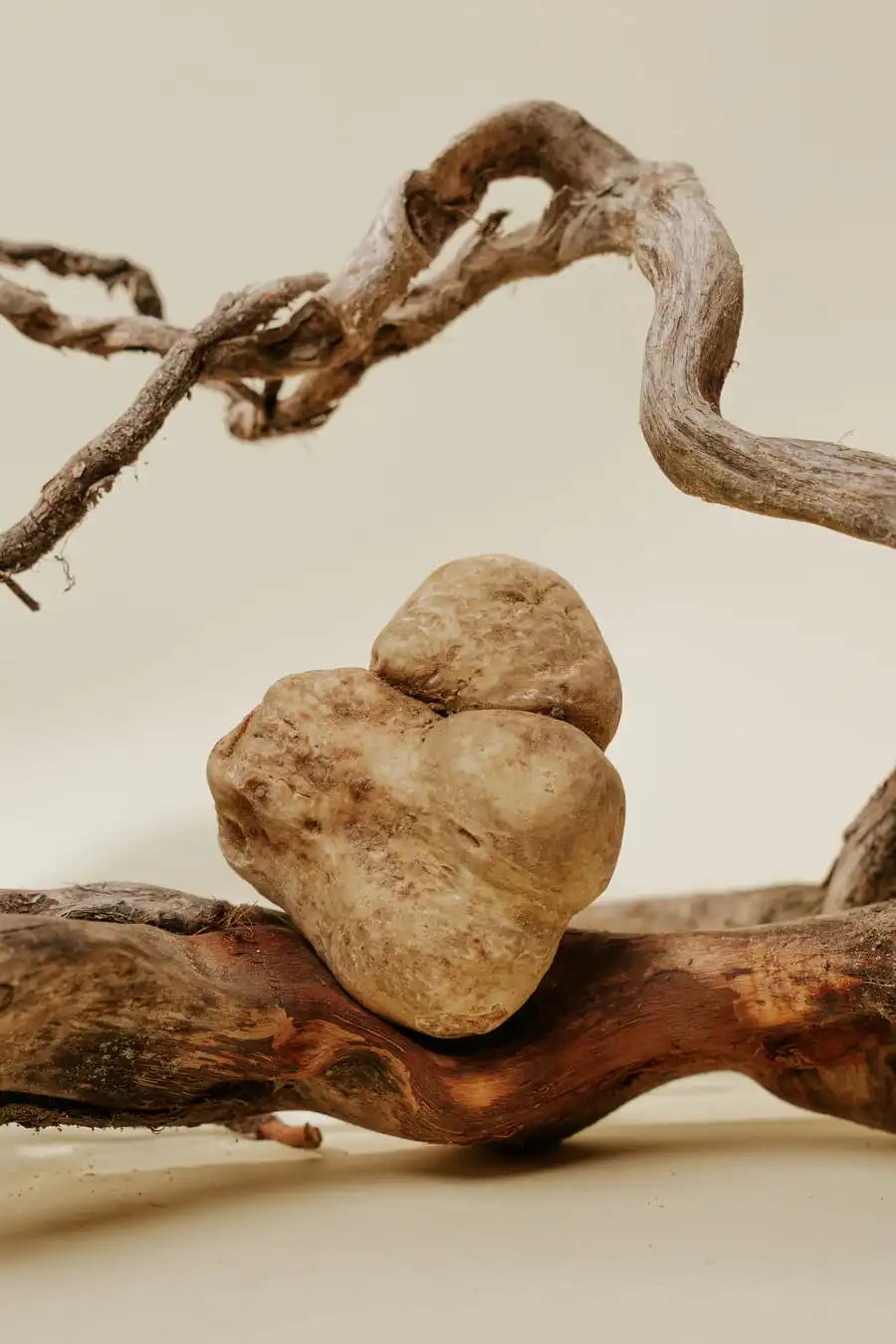

Among the most prized truffles are the white truffle, the summer black truffle, and the winter black truffle
White Truffle of Alba
Origin and freshness also make a difference. A well-selected truffle must be intact, firm, clearly but not aggressively fragrant, and free from excess moisture. This is why relying on those who oversee the supply chain, selection, and cataloging of the product is essential for purchasing with confidence.
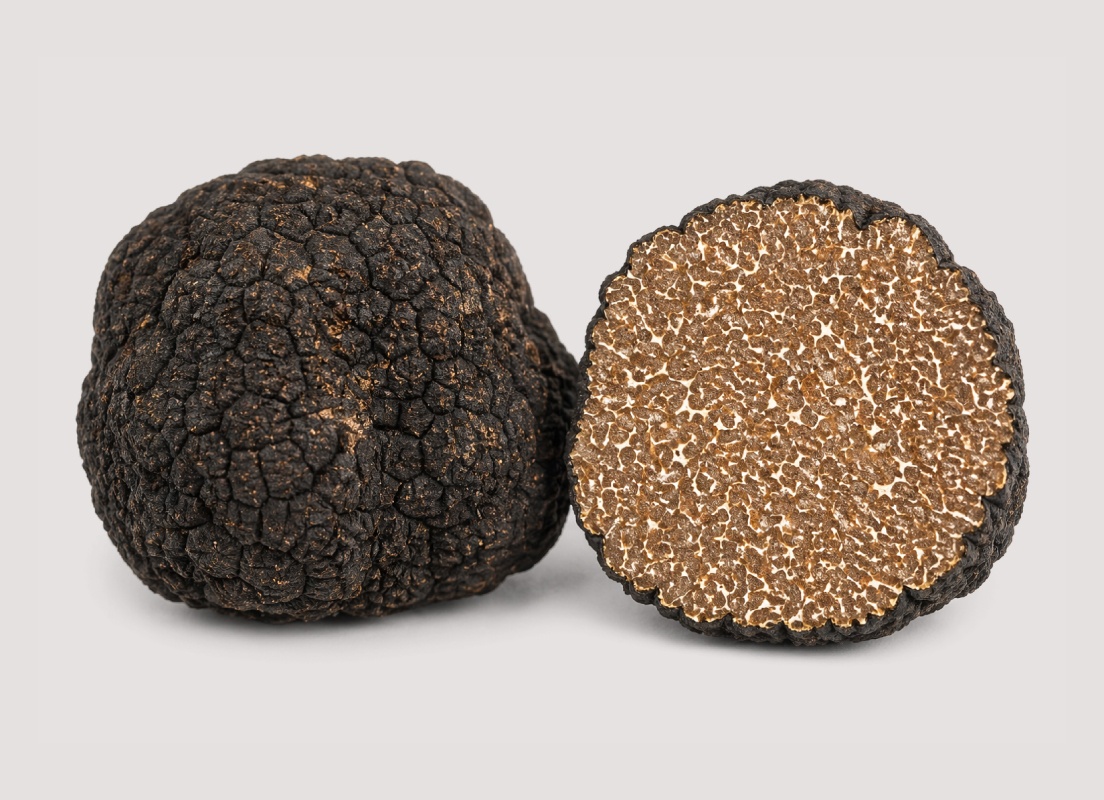
Summer black truffle
The Summer Black Truffle is a versatile and pleasant variety, appreciated for its more delicate aroma and ease of use in the kitchen. It is ideal for first courses, eggs, sauces, fillings, and everyday preparations with an elegant yet accessible flavor.
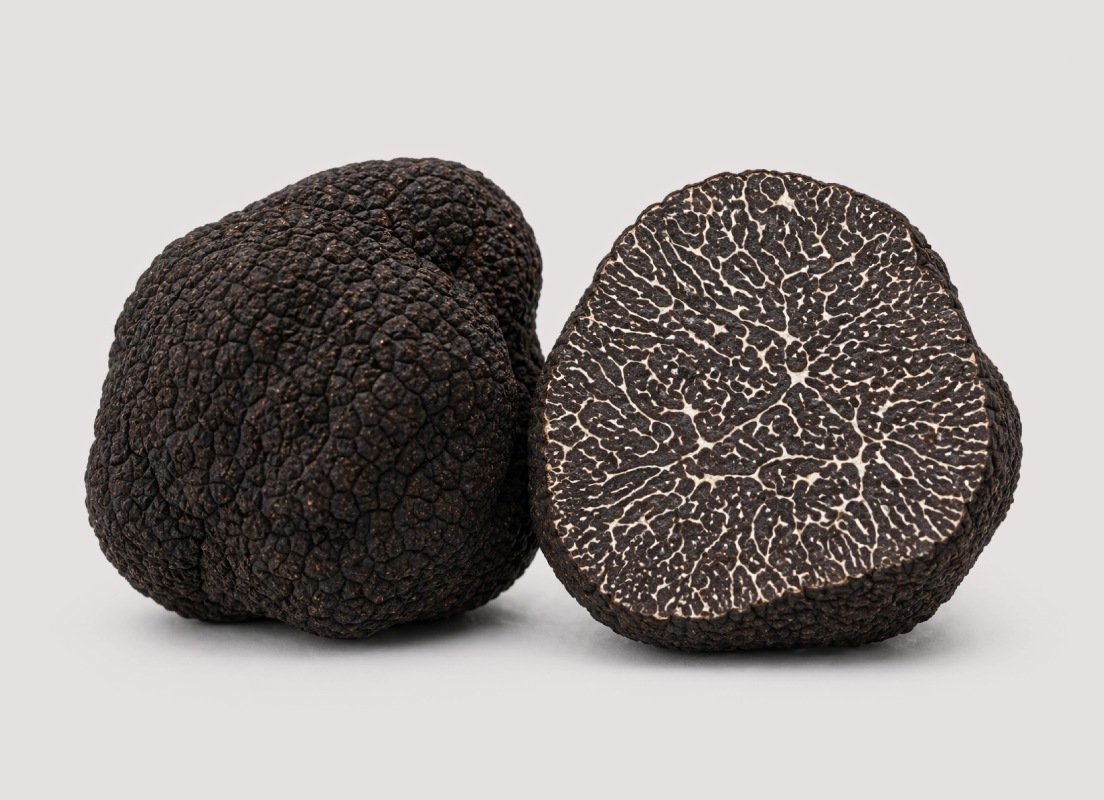
Prized black truffle
The Prized Black Truffle is one of the noblest varieties in the Italian landscape. It has an intense yet balanced aromatic profile, excellent for dishes where depth, refinement, and greater stability are sought, even in hot preparations.
Discover all the answers to the most common questions
Do you have questions about the differences, storage, and use of truffles? In this section you will find answers to the most frequently asked questions, with useful information to help you choose the right variety and make the most of it in the kitchen.
The Alba White Truffle and the black truffle are distinguished by their aromatic profile, harvesting period, and usage in the kitchen. The white truffle is rarer, intensely fragrant, and is best valued raw, sliced over warm dishes that enhance its aroma. The black truffle, in its most prized varieties, has a more delicate and versatile character, suitable for both raw preparations and recipes involving light cooking.
Fresh truffle should be stored in the refrigerator, ideally between 2°C and 4°C. Wrap it in unscented paper towels and place it in an airtight glass or plastic container. Change the paper daily to prevent moisture and mold. It should not be frozen and must not be left in humid or open environments. To fully appreciate its aroma, consume it within 4-5 days of purchase.
The best pairings are those built on simple, well-balanced bases. Eggs, fresh pasta, risottos, cheeses, fondues, carpaccio, and mushroom salads are excellent allies because they accompany the truffle without overpowering it.